EV Charging for Digital Platforms: How Apps with Users Add Charging Without Owning a Single Charger
EV charging for digital platforms is now a deployment decision, not an infrastructure investment. Any digital platform with EV-driving users can integrate charging as a native feature through NetworkCore — one integration, public pricing preserved, per-session revenue share, compliance absorbed.
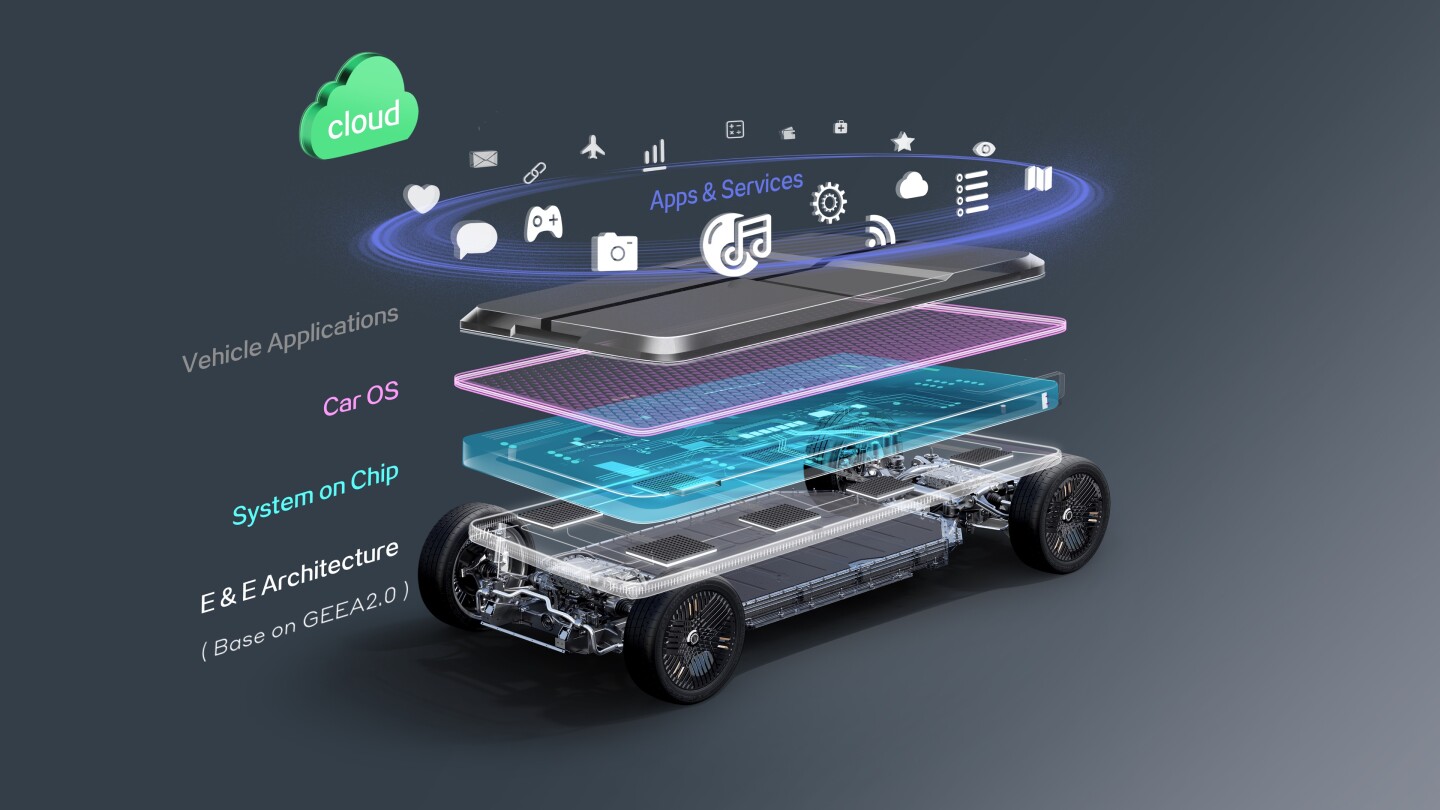
The conclusion first: EV charging for digital platforms has, for most of the past decade, required platforms to acquire capabilities they were not built for — hardware, charging operations, CSMS software, bilateral CPO negotiations, multi-jurisdiction compliance. The model is no longer relevant. Any digital platform with EV-driving users can now integrate charging as a native feature without acquiring any of those capabilities. The principle is simple: you do not need infrastructure to offer charging — you need demand and the right platform. NetworkCore is that platform, and EV charging for digital platforms is now a deployment decision measured in weeks rather than an infrastructure investment measured in years.
A brief history of how digital platforms have tried to do this
The way EV charging for digital platforms has been organised over the past decade has gone through several recognisable phases, and each has produced its own characteristic operational problems.
The earliest phase was the do-nothing phase. Digital platforms with EV-driving users — fleet platforms, OEM mobility apps, fintechs with motor customers — simply ignored charging as a category. The reasoning was that charging was an energy problem, the user had their own charging app, and the platform's product was not built to be in the energy business. This was operationally clean but commercially costly. The platforms watched recurring transaction volume flow through other interfaces while their own products stayed unrelated to one of the most frequent recurring expenses their users incurred.
The second phase was the bilateral partnership phase. A digital platform negotiated directly with one or two large CPOs, built a branded experience that gave its users access to that CPO's network, and treated the arrangement as a strategic partnership. This worked in a narrow sense — the platform could now offer charging through its product — but the operational reality was punishing. Coverage was bounded by the partner's footprint. Pricing was bounded by the partner's commercial terms. Expansion into a new market required a new partnership, a new integration, and a new commercial negotiation. The model worked for one or two CPOs and failed structurally beyond that scale.
The third phase was the infrastructure phase. Larger digital platforms — particularly OEMs with significant capital — decided to build proprietary networks of their own, license CSMS software, and operate as quasi-CPOs alongside their core business. This produced the cost structure that has now been well-documented across the industry. Engineering teams, legal and compliance functions, customer support for charging operations, ongoing bilateral CPO negotiations to extend coverage beyond the proprietary network — all absorbed into the platform's operational footprint, all underperforming the gross revenue line that the proprietary network was supposed to justify.
The fourth phase — the one most platforms are entering now — is the right one. It is the recognition that EV charging for digital platforms is a digital platform distribution problem, not an infrastructure problem. The digital platform holds the asset that matters: the relationship with the user. The charging infrastructure already exists, operated by CPOs whose business is exactly that. The work to be done is to connect demand to supply through a clean financial and commercial layer. The platform that does this work is the platform digital businesses should be integrating with — not building one of themselves.
What "demand + the right platform" actually delivers
The principle that EV charging for digital platforms does not require infrastructure is, by itself, an idea rather than a deployment. Making it real requires the right platform underneath — one that delivers the operational outcome the digital platform actually needs.
NetworkCore is built to that specification. The integration produces a specific set of outcomes that are worth being concrete about.
The digital platform gains commercial access to every CPO on the network through a single integration. Coverage scales as NetworkCore onboards new CPOs and private hosts, without any bilateral effort on the digital platform's side. The platform's users charge across every market the network operates in, through the platform's own interface.
The driver pays the CPO's transparent public tariff. There is no markup inserted between the charger and the user. The platform's revenue comes from a defined per-session share earned through the platform's commercial arrangement with NetworkCore, not from extracting margin opacity at the consumer level. Trust between the digital platform and its users is preserved structurally.
Every session generates a revenue share for the digital platform, settled on a short cycle, in the appropriate currency, with full audit evidence per transaction. The economics scale with the digital platform's EV-driving user base and with the underlying market growth of EV adoption.
The compliance and invoicing layer is absorbed by NetworkCore's regulated infrastructure. Multi-jurisdiction VAT calculation per session per fee type, jurisdiction-specific invoicing requirements, audit-ready records, AML and KYC obligations — none of these land on the digital platform's operational footprint. The architectural reason this matters is set out in EV Charging Invoicing — the Merchant of Record question alone makes self-built charging operations expensive and risky for any digital platform expanding across markets.
The integration is flexible. Digital platforms with strong UX preferences can build the charging interface inside their own product through the NetworkCore API. Platforms that want to ship faster can use NetworkCore's drop-in iframe — a complete brand-customisable charging experience that handles the user-facing layer out of the box. The financial flow can stay inside the digital platform's existing PSP and ecosystem or run autonomously on NetworkCore's infrastructure. The digital platform picks the configuration that fits its operational reality. The companion guide that covers the operational deployment in detail is How to Offer EV Charging in an App.
Why this matters for every digital platform with EV users
The category of digital platforms with EV-driving users is broader than most strategic discussions acknowledge, and the rationale for EV charging for digital platforms through the right platform applies across the entire category.
Fleet management software platforms running multi-vehicle operations across markets need to give their drivers consolidated access to public charging without building a charging product themselves. The fleet's drivers charge. The platform earns per session. The fleet receives consolidated invoicing and full VAT documentation across every market. The structural case is unpacked in EV Charging for Fleets.
OEM mobility apps and connected services platforms hold the relationship with the driver inside the vehicle. Charging is one of the most frequent driver interactions with the vehicle's mobility services, and the OEM's app or HMI should be where it happens. The OEM earns per session. Drivers stay inside the OEM's environment. See EV Charging for OEMs for the full architecture.
Fintech and wallet platforms with motor customers or transport-related spend in their user base have a natural product extension into charging. The driver charges through the wallet. The wallet earns. The behavioural data improves the platform's understanding of its users.
Super-apps and mobility platforms that already host transport, payments, and lifestyle services have a clean adjacency to add. Charging fits inside the existing transaction surface area without distorting it.
Insurance products and motor-adjacent services with multi-year customer relationships hold long-duration access to drivers who will charge multiple times a week for the lifetime of their vehicle. Charging as a service extension generates passive revenue and behavioural data. The case is set out in EV Charging for Insurance Companies.
Corporate benefits platforms, BNPL providers, and fuel card operators with mobility-related spend in their user base are structurally well-positioned to absorb charging as an additional product category.
In every case, the structural argument is the same. The platform holds the user. The platform does not hold the infrastructure. The platform earns by routing its users to existing charging supply through the right integration. EV charging for digital platforms is the category that emerges when this architecture is applied properly. The closely related strategic framing for non-utility participants is in EV Charging for Non-Utilities.
The position to take
If you operate a digital platform with EV-driving users — even a meaningful minority — your platform is already in the EV charging market whether you have integrated a charging product or not. The sessions are happening. The revenue is being earned somewhere. The only question is whether your platform is inside the financial flow of those sessions or watching the value flow to whichever charging app or card your users defaulted to.
You do not need to build infrastructure. You do not need to license a CSMS. You do not need to negotiate with individual CPOs. What you need is one integration with the platform that handles everything beneath it.
NetworkCore is that platform. EV charging for digital platforms is no longer an infrastructure investment — it is a distribution decision, deployed through API or iframe, run in your existing PSP ecosystem or autonomously on the platform's infrastructure, with the entire transaction layer handled by the regulated infrastructure beneath.
Reach the team at networkcore.org to discuss what EV charging for digital platforms would look like for your specific product.